Privacy Policy
Cookie Policy
Legal Notice
ROSIANE PRIAM - France
CONTACTS: rosiane.priam@hotmail.fr
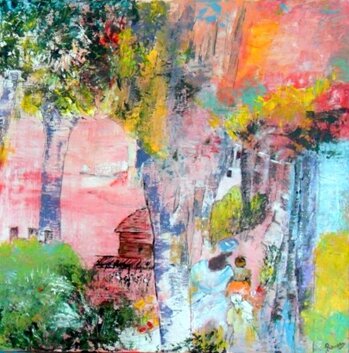
Return from the walk (il ritorno dalla passeggiata)
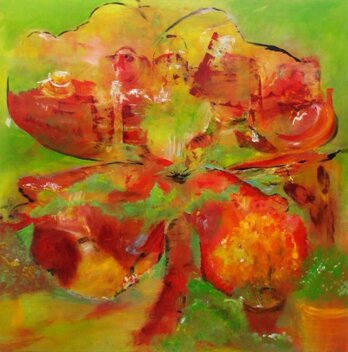
Le jarden d'Aglè (Aglè's garden)
mixed media on canvas cm 100 x 100 € 800
acrylic on canvas cm 40 x 40 € 160
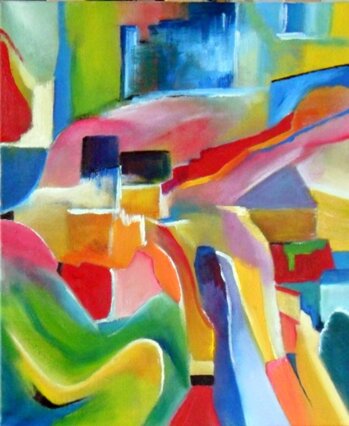
The primaries (the primaries)
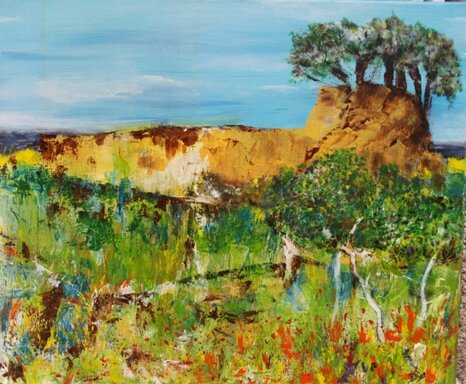
where I’ll take you (Where I’ll bring you or lead you
acrylic on canvas cm 38 x 46 € 200
acrylic on canvas € 250
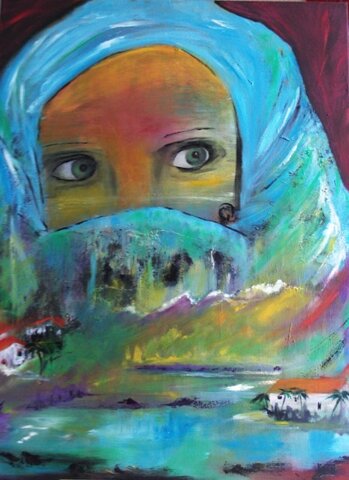
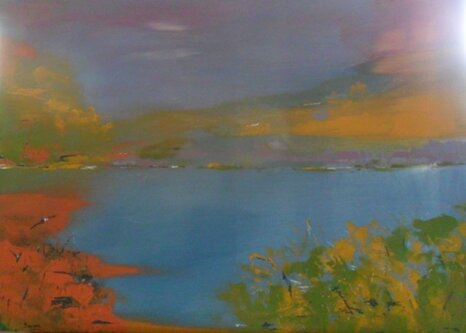
Stopover (the stop)
The Chiffa
acrylic on canvas cm 50 x 70 € 350
mixed media on canvas cm 60 x 80 € 400
Her biography
No formal art training. Rosiane Priam is a self-taught painter. Born in 1961, she spent her childhood in the Nantes area where she was born. Surrounded by a large family, she grew up in an environment that nurtured her imagination, between two grandfathers who were artists in their own way. One played the accordion and the other was a clown. Dreams also came with a father and brothers serving in the French Navy, whose far-off voyages fed her childhood. Add to that two aunts, passionate about opera, who took their niece with them to Graslin, Nantes’ grand theatre.
But her greatest emotional shock was undoubtedly learning to read and write. She began to devour fairy tales and adventure novels, promising herself that one day she would become a writer. She then started filling notebooks, inventing stories in which those close to her were the main heroes. With her brothers and sisters, role-playing games were her favourite. School offered her one in an end-of-year play. Another shock! She would be an actress, and at twelve she moved heaven and earth to set up her own theatre troupe. A project that fell through despite all her efforts. She then returned to her first loves. She wrote a lot, drew a little. Not too bad, but the results disappointed her. As soon as she tried painting, her drawings became heavy and dull. She gave them up… It wasn’t her thing…
Yet painting was already there, though she didn’t know it yet. First in those small pictures hanging on the living-room walls, part of the décor. Oil paintings depicting Mediterranean landscapes, very colourful and sunlit. And then there were those young girls leaning on a piano or bent over a book! Those Renoir reproductions her mother cut from magazines and then framed. Those pastoral scenes where figures stroll among flowers or talk in the shade of an arbour. Frozen moments, out of time, yet seemingly ready to come alive.
In adolescence, reading a biography of Modigliani introduced her to the painters of Montparnasse and early-century Paris. Like her mother, she collected images. This time it was the painter’s long, slender portraits, before she became interested in Van Gogh’s palette and even more in Gauguin’s.
Yet she still didn’t think of painting. Everyday life quickly took over. She joined the postal administration, left Nantes and settled for about twelve years in the Paris region. She married and had three children. She passed another competitive exam that took her to Berry, in central France. Another ten years went by before she considered redirecting her professional career again. Meeting a painter would overturn all her preconceptions. She learned that you don’t need to know how to draw to paint. Everything can start with colour. Discovering the painter Bonnard finally broke her last hesitations. His timeless, luminous canvases drew her eye. With him she understood that “art is the sensation that shapes the mental image.” Everything in the painter is recreated. He does not paint like his Impressionist friends, from life, but works at home, in his studio, from drawings and notes he carefully recorded in notebooks during his walks. His subjects are treated freely; nature is bent to his own will. In the painter’s pictures there are only memories, but memories as real as if he had painted them from nature.
For Rosiane, it was like a revelation. She understood why her pictorial work had never satisfied her. She had reversed her creative process. From now on, she would no longer start from drawing but from colour. Colour would spark the sensation, bring forth the image and create the work. It, and form, would provide the line.
Her Biography
Not artistically trained, Rosiane Priam is a self-taught painter. Born in 1961, she spent her childhood in the Nantes area where she was born. Surrounded by a large family, she grew up in an environment that nurtured her imagination, with two grandfathers who were artists in their own way. One played the accordion and the other was a clown. Dreams also came from a father and brothers in the Navy, whose faraway journeys fed her childhood. Add to this two aunts, opera lovers, who took their niece with them to Graslin, Nantes’ great theatre.
But her greatest emotional shock was probably learning to read and write. She began to devour short stories and adventure novels, promising herself she would one day become a writer. She started filling notebooks, inventing stories in which her neighbours were the main heroes. With her brothers and s The school offers her one ne in a room at the end of the year. New shock! She will become an actress, and at twelve she moves heaven and earth and hides away to set up her own theatre troupe. A project that fails despite all her efforts. She then returns to her first loves. She writes a lot, draws a little. Rather discreetly, but the results disappoint her. As soon as she turns to painting, her drawings become heavy and dull. She gives them up. It’s not her thing. Painting is already there, however, but she still ignores it. It appears in those small pictures hung on the living-room walls and forming part of the décor: oil paintings depicting Mediterranean landscapes, very colourful and sunlit. And then there are those girls leaning on the piano or bent over a book! Those Renoir reproductions her mother cut from magazines and then framed. Those country scenes where figures stroll among flowers or talk in the shade of a pergola. Moments frozen in time, yet seeming ready to come alive.
In adolescence, reading a biography of Modigliani led her to discover the painters of Montparnasse and of early-20th-century Paris. Like her mother, she collected images. This time, the elongated portraits of the “cursed” painter, before taking an interest in Van Gogh’s palette and even more in Gauguin’s.
She did not, however, always think about painting. Everyday life quickly took over. She joined the postal administration, left Nantes and settled for about twelve years in the Paris region. She married and had three children. She passed another competitive exam that took her to Berry, in central France. Another ten years went by before she thought of redirecting her professional career again. Meeting a painter would overturn all her preconceptions. She learned that you don’t need to know how to draw in order to paint. Everything can start with colour. Discovering the painter Bonnard finally broke her last reservations. His immaterial, luminous canvases drew her eye. With him she understood that “art is the sensation that forms the mental image.” Everything in the painter is recreated. He does not paint, like his Impressionist friends, from life, but works at home, in his studio, from drawings and notes he carefully recorded in notebooks during his walks. His subjects are treated freely; nature is subjected to his own will. In the painter’s pictures there are not memories, but memories so real as if he had painted them from nature.
For Rosiane, it was like a revelation. She understood why her painted works never satisfied her. She had reversed her creative process. From now on, she would no longer start from drawing but from colour. Colour would trigger the sensation, bring forth the image and create the work. It is colour and form that will carry the line.
Privacy Policy
Cookie Policy
Legal Notice